
Measure before you trust
A demonstration that goes well does not prove an AI system works. A sample of real cases, with the right answer, does.

An artificial intelligence demonstration nearly always goes well. The examples were chosen, the person giving it knows the system and nobody shows the cases that failed. So a good demonstration says little about what will happen with your data, in your day-to-day work.
To know whether a system works, you have to measure it. That takes nothing sophisticated.
Build a test set
Gather real cases from your work (a hundred is enough to start) and record the correct answer for each one, given by someone who knows the task well. Include the hard cases on purpose: badly scanned documents, ambiguous requests, exceptions to the rules.
Keep this set and do not use it to tune the system. As with an exam, it only works if whoever is being assessed has not seen the questions beforehand.
Count mistakes by type
An accuracy percentage, on its own, hides what matters most. A system that gets 95 out of every 100 cases right can be excellent or unacceptable, depending on the five it gets wrong.
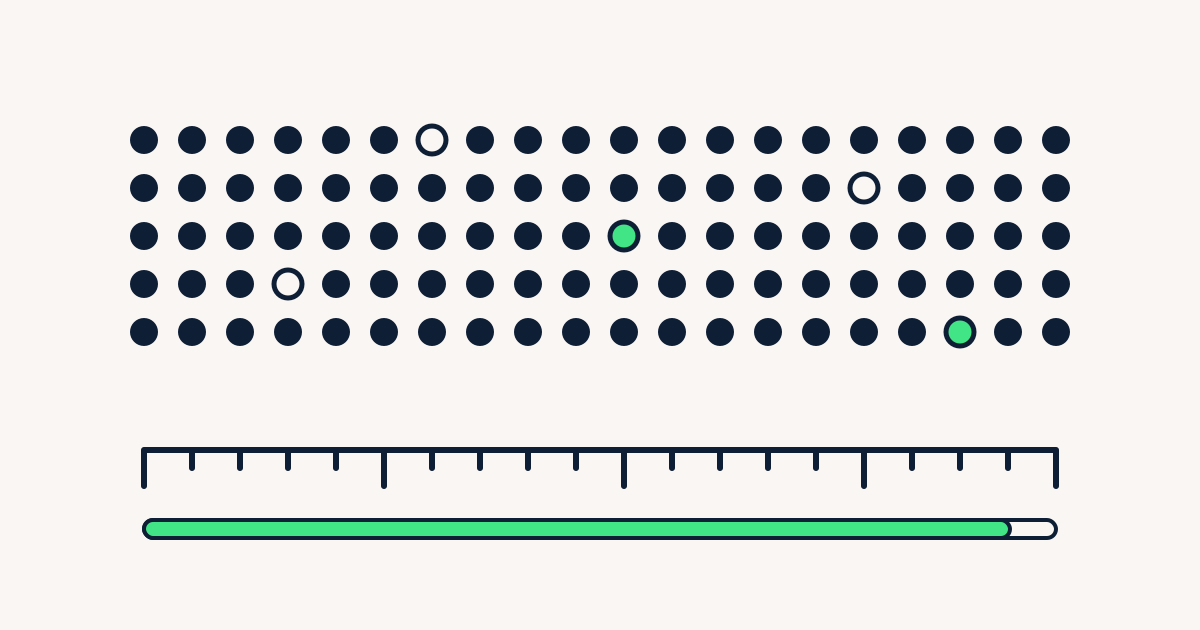
Separate at least two kinds of mistake: approving what should have been refused and refusing what should have been approved. They rarely cost the same. In a payment process, approving in error costs money; refusing in error costs an annoyed customer and a complaint. Decide which one you would rather avoid and tune the system in that direction.
Also count the cases where the system did not decide and asked for help. They are not mistakes, but they are work, and they have to be part of the sums.
Compare with what you have today
The right comparison is with the current process, done by people who are in a hurry and get interrupted. Run the same test set through today’s process and see how long it takes and how many mistakes it makes.
It is common to find that the manual process makes more mistakes than anyone thought. The opposite also happens: the team catches problems that no written rule covers, and you need to make sure the new system does not let them through.
Keep measuring after you switch it on
The world changes. Documents arrive in another format, new products appear, customers change their habits. A system that was right in March can fail more often in September without anyone having touched it.
Set aside a small sample of each month’s cases to be reviewed by a person, including cases the system decided on its own. If agreement drops, you find out within weeks, before you find out from customers.
Measuring is work. It is also what separates a system you can trust from one that only looked good in the demonstration.