
Where AI still fails
AI systems make mistakes in different ways from people. Knowing those ways is what lets you use them safely.

People who sell artificial intelligence say little about what it does badly. That is a pity, because it is the part that matters most to whoever is going to depend on it. Today’s systems are good at many things and fail in ways of their own, which are worth knowing before you trust them with work.
They are as confident when wrong as when right
A person who does not know hesitates, asks, writes “check this” in the margin. A language model can give a wrong answer in the same tone, with the same fluency and the same detail as a right one. There is no outward sign of doubt.
So a well-designed system does not rely on the tone of the answer. It checks what can be checked: dates against calendars, totals against sums, names against lists. What does not add up goes to a person.
They stumble on what is rare
Models learn from examples and are better at what they have seen many times. The document in an unusual format, the customer whose situation comes up twice a year, the exception the team knows by heart: that is where they make most mistakes.
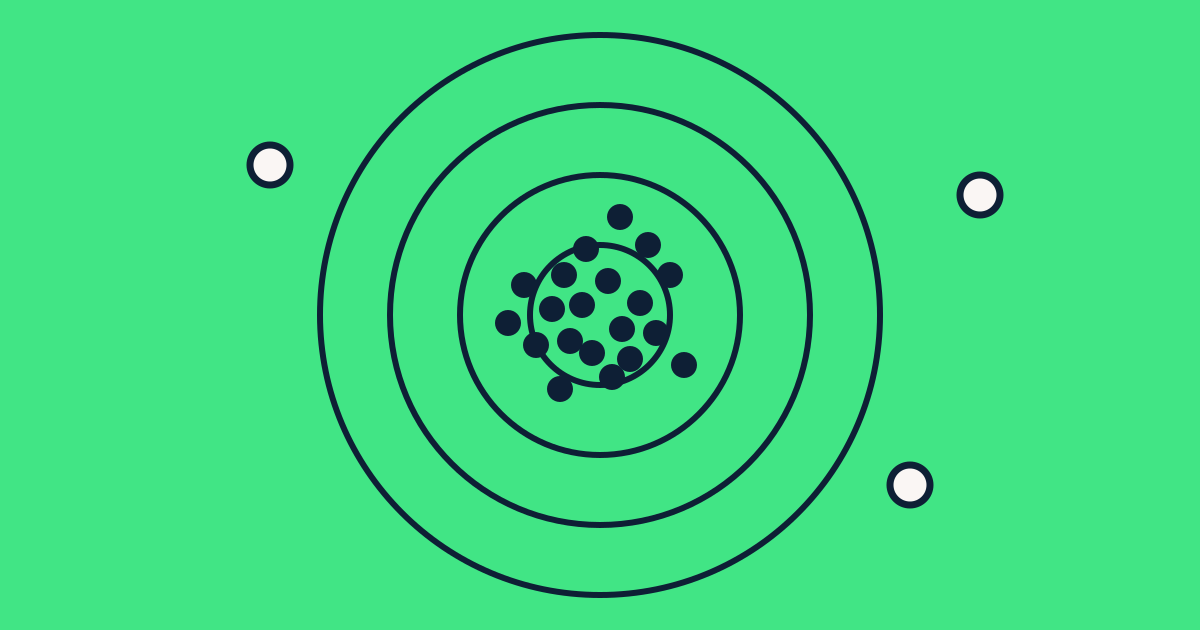
The trouble is that rare cases are often the ones that matter most. It is worth listing them with the team before you start and testing the system on them deliberately.
They do not know what changed yesterday
A model knows the world up to the date it was trained, and your business rules up to the last time someone gave them to it. A new price list, a supplier that changed its name, a campaign that started today: if nobody updates the system, it keeps deciding by what it knew.
This is solved with process. Someone has to be responsible for telling the system what changed, just as someone tells the team.
They follow instructions they should not
A model reading a document can take a sentence written in that document as an instruction. Anyone who wants to fool the system can try exactly that: write, in an email or a file, text designed to steer it. It is a known risk and still has no complete solution.
The defence is to limit what the system can do on its own. Reading and proposing is one thing. Paying, deleting or sending is another, and should go through a person or through rules the model cannot change.
What to do with this
None of this is a reason not to use AI. It is a reason to use it knowing what it does not do well. A supplier who explains where the system fails, and what they did about it, deserves more trust than one who promises it does not.